
Aperture is the next portion of the exposure triangle that we'll discuss. The aperture is a small set of blades in the lens that controls how much light will enter the camera. The blades create a octagonal shape that can be widened, or closed down to a small hole. (A good example of what the actual aperture mechanism looks like can be found right in my own logo!) With this in mind, we're safe to assume that if you shoot with the aperture wide open, then more light is allowed into the camera than if the aperture is closed down to only allow a tiny hole of light to enter the camera. This not only controls the overall exposure of your image, but also controls this (not so) little thing called depth of field, which we'll touch up on later.
F-Stops
Aperture is measured using something called the f-stop scale. On your camera, you’ll see ‘f/’ followed by a number. The number denotes how wide the aperture is. This, in turn, affects exposure and depth of field – the lower the number, the wider the aperture.
The scale is as follows: f/1.4, f/2, f/2.8, f/4, f/5.6, f/8, f/11, f/16, f/22.
The most important thing to know about these numbers is that, from each number to the next, the aperture decreases to half its size, allowing 50% less light through the lens. So suppose you take a picture that is too bright. How do you fix it? Simply choose a smaller aperture. A high f-stop like f-22 means that the aperture hole is quite small, and a low f-stop like f/3.5 means that the aperture is wide open. I know, it seems silly that the lower number lets more light in, and the larger number lets less light in, but you'll get the hang of it soon enough with practice.
Depth of Field
A basic definition of depth of field is: the zone of acceptable sharpness within a photo that will appear in focus. In every picture there is a certain area of your image in front of, and behind the subject that will appear in focus. Some images may have very small zones of focus which is called shallow depth of field. Others may have a very large zone of focus which is called deep depth of field.
Your f-stop setting directly affects your depth of field within your image. It may be easier to remember this simple concept: The lower your f-number, the smaller your depth of field. Likewise, the higher your f-number, the larger your depth of field. For example, using a setting of f/2.8 will produce a very shallow depth of field while f/11 will produce a deeper depth of field.
The chart below will help with understanding how the aperture works in regards to how it affects the exposure and the depth of field in your images.
![Aperture[1][1].jpg](https://images.squarespace-cdn.com/content/v1/571a777c20c64798c2688d6a/1529948210460-HL7W22GA3YHBWXF5FIM5/Aperture%5B1%5D%5B1%5D.jpg)
When Should I Use A Shallow Depth Of Field?
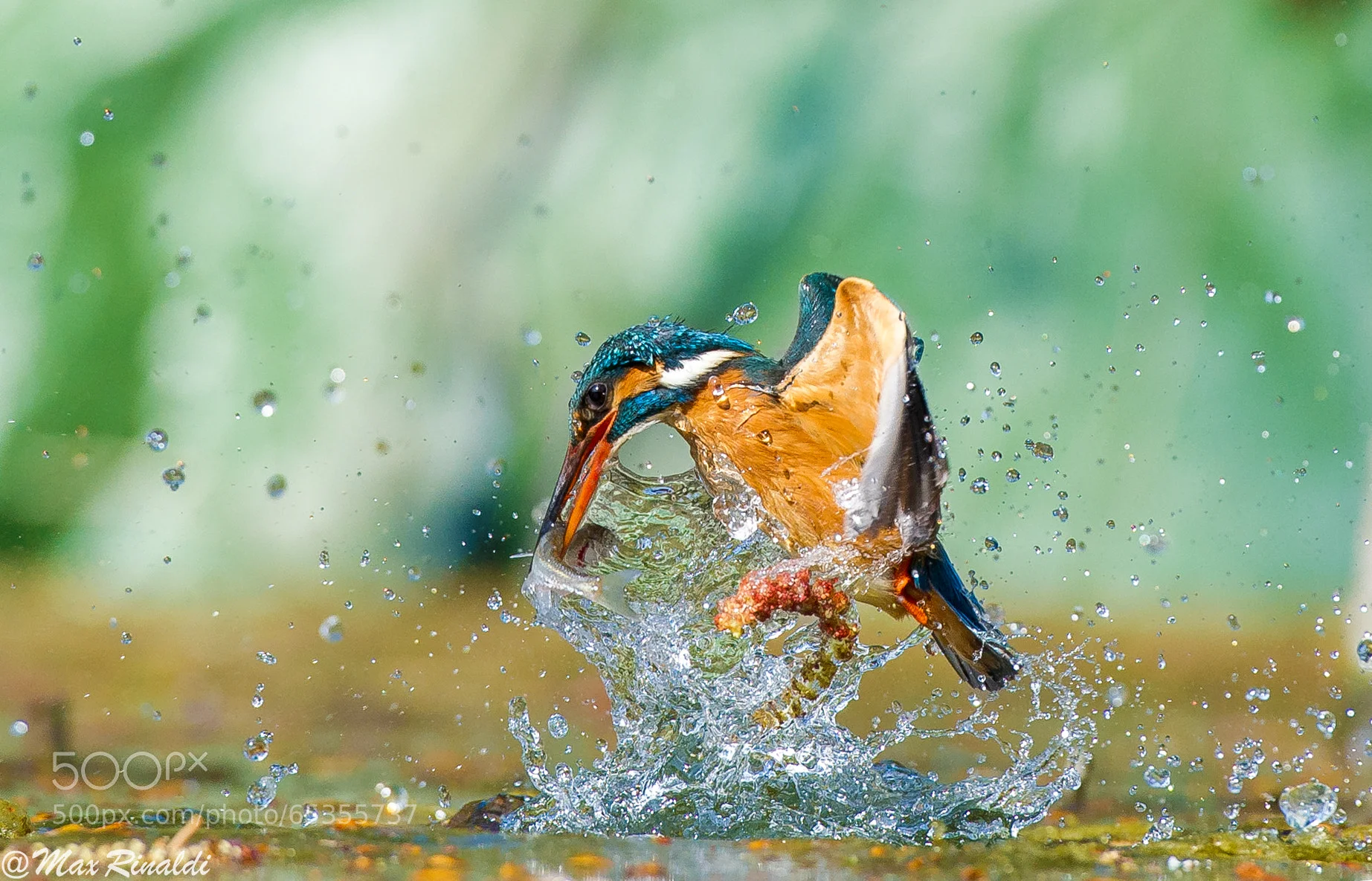
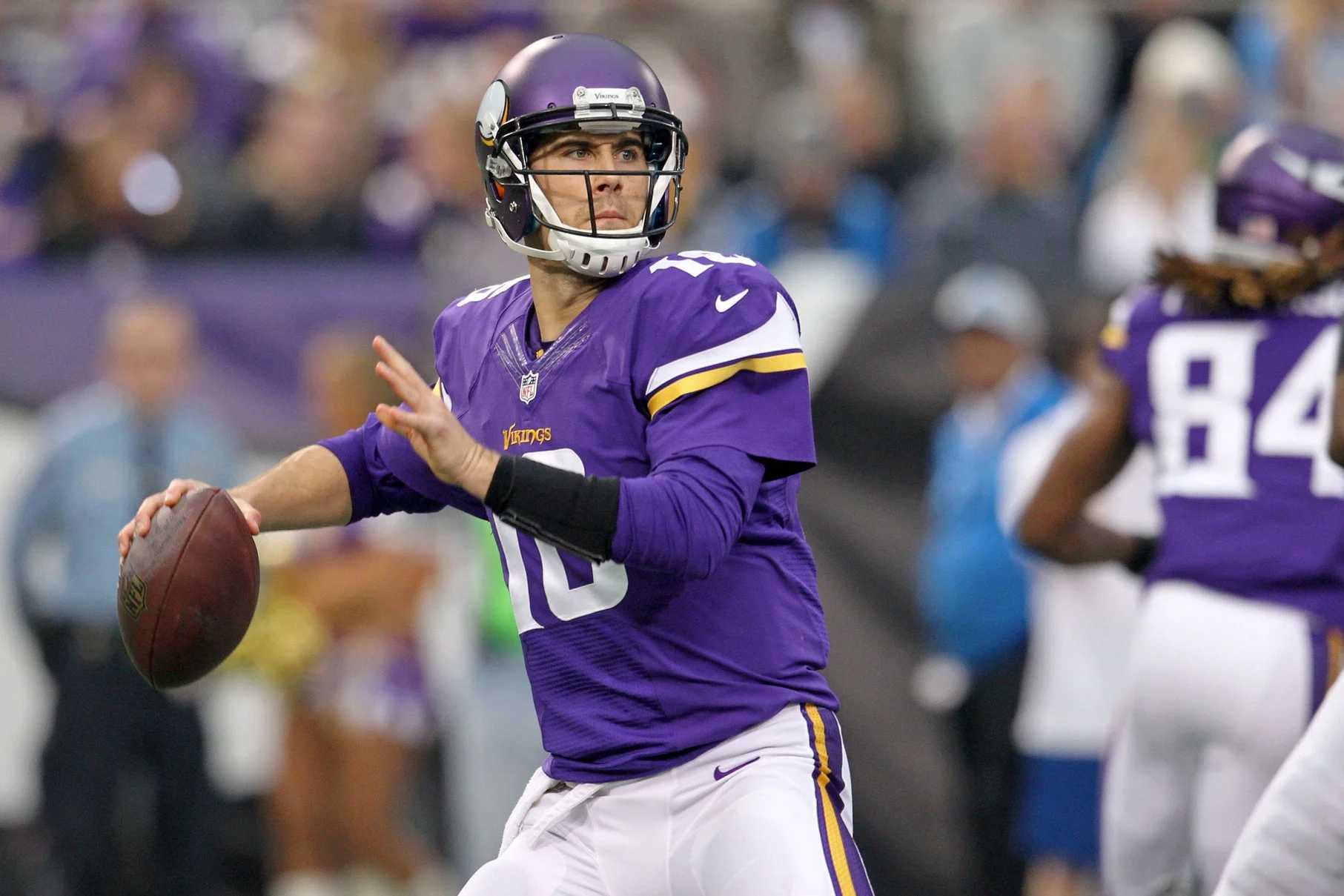
Using a shallow depth of field is a good way to make your subject stand out from its background and is great for portrait photography. Shallow depth of field can also be useful in wildlife photography, where you want the subject to stand out from its surroundings. This is also useful because many wildlife photo opportunities are low light situations, and increasing your aperture size will give you more light. Shallow depth of field is also effective for sports photography where many times you want to separate the athlete from the background to bring attention to them. The result of this should also help give you a fast enough shutter speed to freeze the action.
When Should I Use A Deeper Depth Of Field?
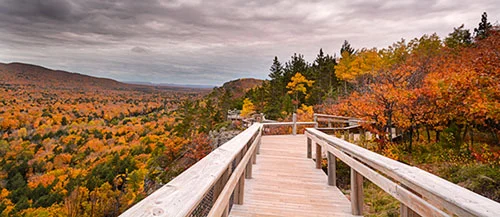
In landscape photography, it is important to get as much of your scene in focus as possible. By using a small aperture you will be able maximize your depth of field to get your entire scene in focus.
Other Little Magic Bits of Info
There are are few other things that affect how the depth of field appears in your photos. One being the distance that you are standing away from your subject. The closer your subject is to the camera, the shallower your depth of field becomes. Therefore, moving further away from your subject will deepen your depth of field. Also, the depth of field isn't always equally distributed in the front and back of your focus point; it’s usually about one third in front and two thirds behind your focal point, but as your focal length increases it becomes more equal.
Try It Out!
Take what you've learned about aperture and depth of field and get out and shoot! I'd love to see how you've utilized both short and deep depth of field. Grab a pet or your best friend and take a few portraits with a short depth of field, and then hop in the car and enjoy a road trip while searching for a gorgeous landscape to practice a deep depth of field! Very excited to see what you come up with. Remember to utilize all that you've learned so far about framing, composition and shutter speed. As always, make sure you send me your finished products, as I'd love to see what you came up with!